Plants or duct cleaning: which is better?
Neither is a general solution for cleaner indoor air. Choose an action based on the problem you are trying to address. Potted plants are not a practical substitute for ventilation or filtration in an ordinary home. Duct cleaning addresses conditions in the duct system; it should not be sold as a guaranteed way to prevent illness or solve every air-quality concern.
The useful question is: what is the source, and which action addresses it? A dusty surface, cooking particles, an odor, and debris inside a duct are different observations. Treating them as one problem can lead to spending money on the wrong remedy.
Why laboratory plant studies can be misleading
A 2019 review by Bryan Cummings and Michael Waring examined reported removal of volatile organic compounds, or VOCs, by potted plants. It found that removal rates from laboratory experiments were too small for ordinary numbers of plants to compete with typical building air exchange. A sealed test chamber does not behave like a furnished home with ongoing pollutant sources and ventilation. Read the published research review.
That is why this guide does not rank “top air-purifying plants.” A ranking can suggest a meaningful room-cleaning benefit that the evidence does not establish. Enjoy plants for their appearance and the experience of caring for them, without treating a pot on a shelf as air-cleaning equipment.
When choosing a plant, consider your light, available space, care routine, and household suitability. Check species-specific care and pet or child safety information before buying. EPA also advises against overwatering: overly damp soil can support microorganisms. See its indoor-air guidance.
Compare the job each approach can do
| Approach | Useful role | Limit to understand |
|---|---|---|
| Potted plants | Living decoration and a gardening activity | Ordinary quantities are not a practical home VOC-removal system |
| Air duct cleaning | Address identified contamination or excessive debris in ducts | Not a proven way to prevent health problems |
| Source control | Remove or reduce a pollutant source | The source first needs to be identified |
| Ventilation | Bring in suitable outdoor air to dilute indoor pollutants | Outdoor pollution and weather matter |
| Filtration | Reduce particles passing through a suitable filter | No air cleaner removes every pollutant |
EPA describes source control, ventilation, and air cleaning as complementary strategies. Its overview of indoor-air improvements is a useful starting point. For equipment selection, read EPA's air cleaner and filter guidance.
When duct cleaning deserves a closer look
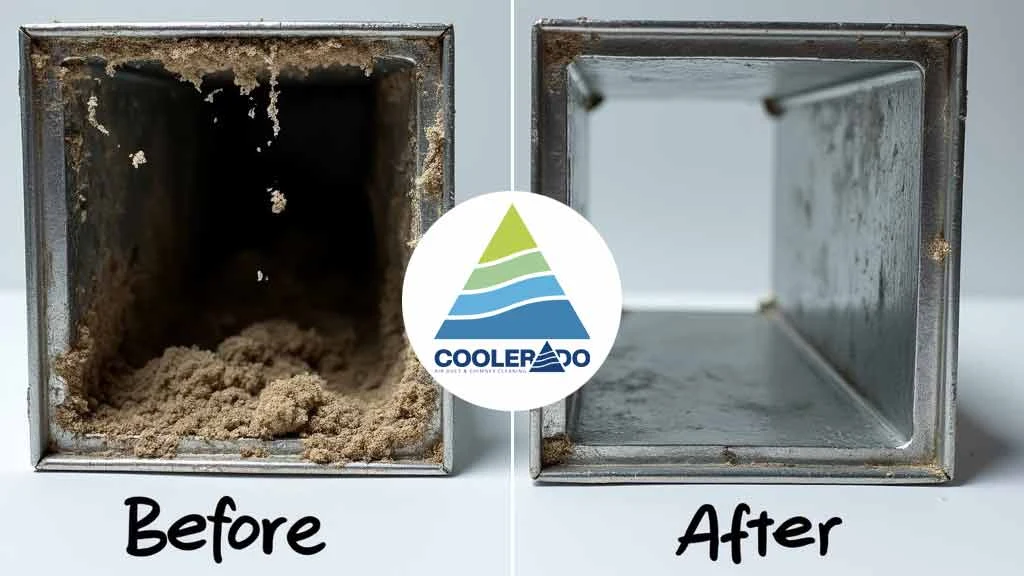
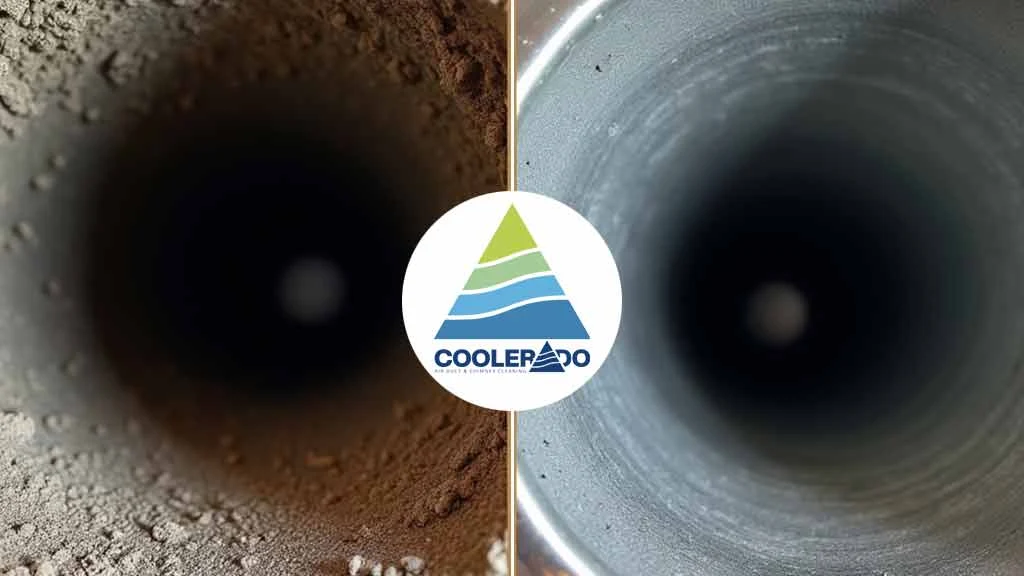
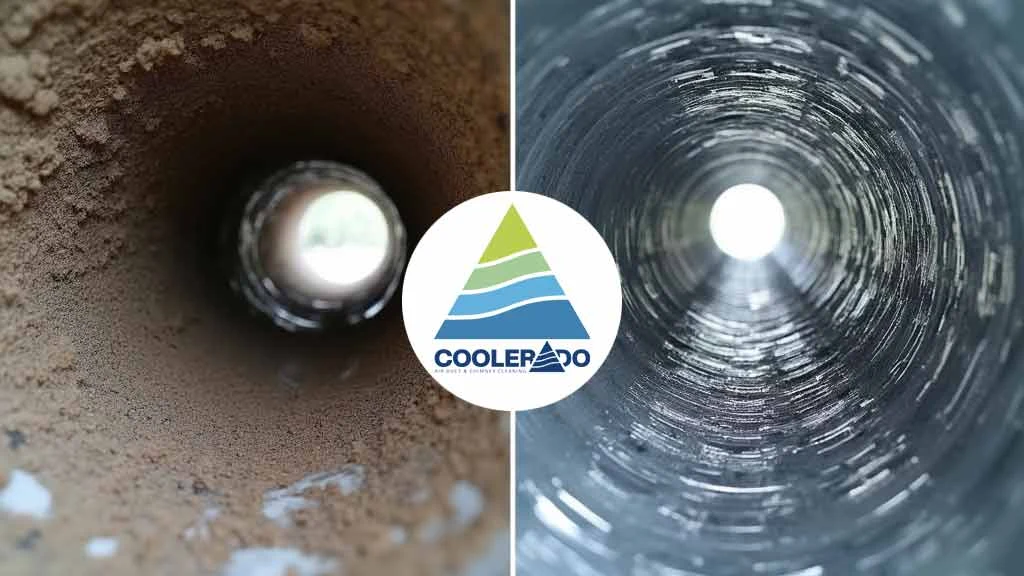
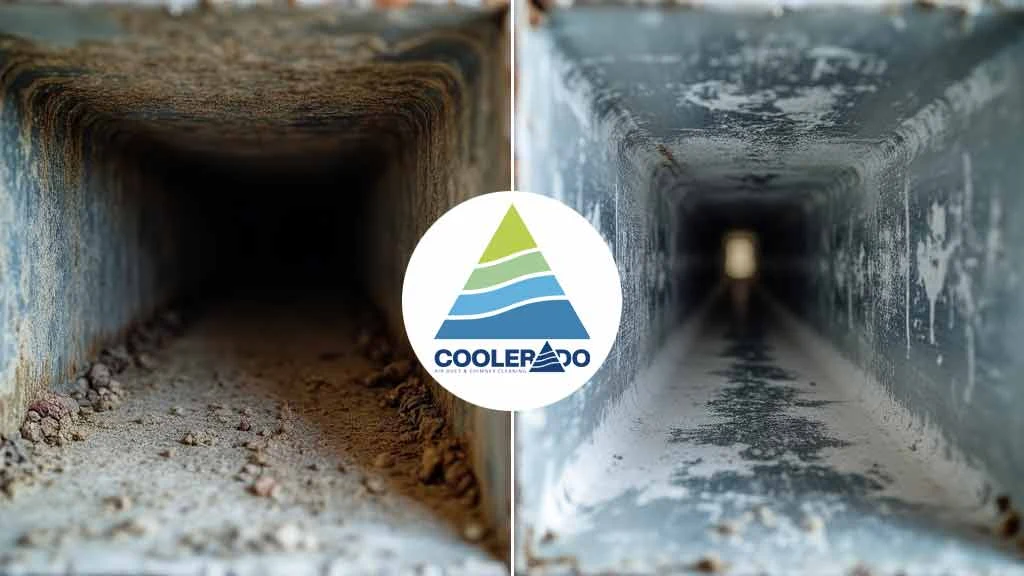
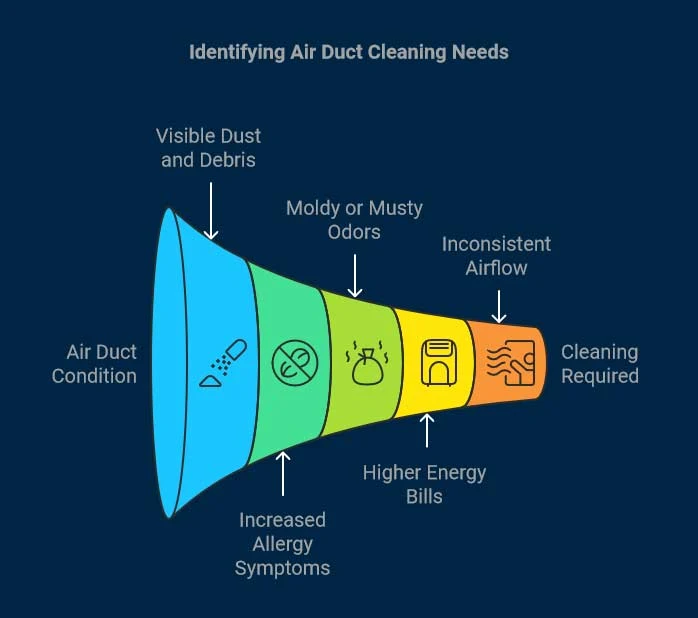
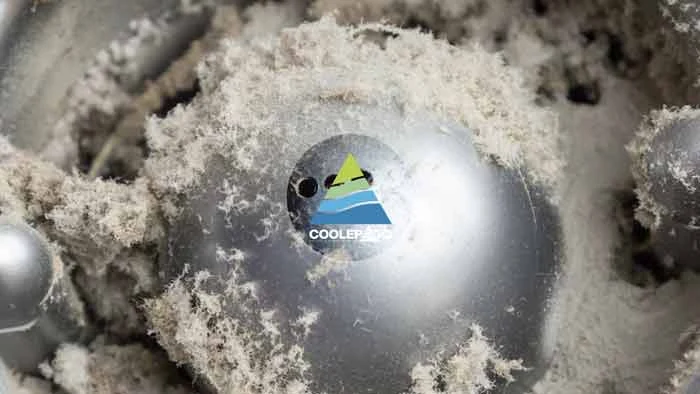
EPA recommends considering cleaning when ducts have substantial visible mold growth on hard surfaces, vermin infestation, or excessive dust and debris, particularly where particles are released from supply registers. Suspected mold needs appropriate evaluation; appearance alone is not a diagnosis. Underlying causes also need attention. EPA does not recommend routine cleaning for every home. Read the full duct cleaning guidance.
For a service discussion, ask what was observed, where it was found, and how the proposed work addresses it. Coolerado offers cleaning levels based on system condition. A scope should identify included areas and any access limits.
We offer different cleaning levels because every system starts in a different condition. The work should match what is actually there.
A practical way to decide what to do next
- Write down the observation. Describe the location, timing, and any recent change. An observation is more useful than an assumed cause.
- Separate the questions. Keep a comfort problem, a visible maintenance issue, and a health concern distinct when seeking advice.
- Review the relevant guidance. Use the linked EPA resources to understand source control, ventilation, filtration, and the limits of duct cleaning.
- Ask for evidence behind a recommendation. A photograph should identify a particular area; a broad claim should have a source.
- Agree on a defined scope. Confirm what the work will address and what outcome has not been established.
If you suspect a connection between your home and unexplained symptoms, discuss the symptoms with a healthcare professional. A cleaning company should not diagnose a health condition from a service inquiry.
Questions to ask before buying a service
- What specific condition is the proposed work intended to address?
- Which system and components are included?
- What findings support the recommendation?
- Are there access limits or underlying issues needing separate attention?
- What is included in the price, and what would be additional?
Coolerado offers free estimates for its services. If you want to discuss the duct system, share the location and your observations. The pricing guide explains how to compare scopes without relying on a headline price.
Fair pricing starts with a clear scope. You should know what is included and what the job will cost before you agree to the work.
For service details, read the air duct cleaning page. Use the form below or contact Coolerado to ask about your property. An inquiry is a request for follow-up, not a diagnosis or a confirmed appointment.
Common questions
Should I get rid of my houseplants?
This comparison is about air-cleaning claims. You can choose to keep plants for other reasons. Consider their care requirements and suitability for your household.
Can an air cleaner replace every other step?
No. EPA explains that filtration supplements source control and ventilation. Choose equipment for the intended room and pollutant, follow maintenance instructions, and understand its limits. See the EPA filter and air cleaner guide.
Does visible dust mean I need duct cleaning?
Dust on a return grille alone does not establish heavy contamination throughout the ducts. Ask about the condition of the system rather than assuming every opening represents the same issue.
Can Coolerado promise better health after cleaning?
No health outcome is promised here. The service discussion should focus on documented conditions and the work included in the estimate.