
Finish the dust-producing work before arranging a final duct-cleaning visit, unless the contractor inspecting your system recommends a different sequence. A clean register cover does not establish the condition farther inside the ducts. Equally, a dusty renovation does not establish that every duct needs the same treatment. Start with where the work happened, whether the HVAC operated, and what the inspection actually finds.
Build the timeline before choosing a service
Write down when demolition, drywall sanding, flooring, painting, and final room cleaning are due to finish. A cleaning appointment between two sanding days can leave you paying for work before the dust source has stopped. Ask the remodeler who is responsible for protecting openings and managing construction dust. Those responsibilities should remain clear even if you hire another company for air duct cleaning.
If work continues in a different part of the house, tell the cleaning provider which systems and rooms remain affected. “The renovation is finished” can mean the kitchen is usable while a basement contractor still creates dust. The scope should reflect that difference.
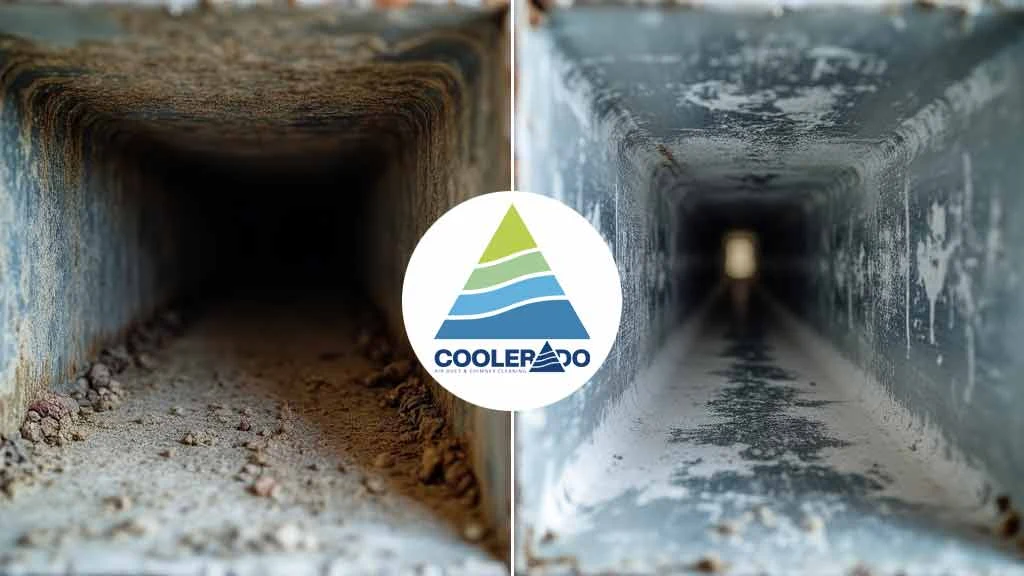
Separate observations from assumptions
| What you have noticed | Useful information to collect | Question for the visit |
|---|---|---|
| Debris near an uncovered register | Room and type of construction | Is material present beyond the opening? |
| Dust returning after room cleaning | Timing and rooms affected | What other dust sources remain? |
| A duct was moved or disconnected | Remodel drawings or accessible photos | Is repair needed before cleaning? |
| A new room feels uncomfortable | Equipment and layout changes | Does the project need an airflow assessment? |
These observations help organize an inquiry. They do not identify contamination, prove a health risk, or establish the cause of an airflow problem. EPA discusses the limits of blanket recommendations in its remodeling guidance.
We offer different cleaning levels because every system starts in a different condition. The work should match what is actually there.
Ask for a scope tied to the affected system
A quote should identify the system, supply and return paths, access points, and components included. Ask whether the contractor will inspect first, how the findings affect the proposed cleaning level, and how inaccessible sections will be recorded. If the remodel changed the duct layout, compare cleaning with duct repair before treating the work as a cleaning-only job.
A camera can help explain a visible section, but one photograph is not a survey of every branch. Ask for the location of each image and the limits of the inspection. Our camera inspection guide explains the questions that make images more useful.
Coordinate the final visit
- Confirm which dust-producing tasks remain and their expected completion dates.
- Ask the remodeler about open ducts, new connections, and protection used during construction.
- Request an inspection or cleaning proposal that names the affected system and exclusions.
- Agree on access, room preparation, and who can approve a scope change.
- Keep the finished scope and any follow-up recommendations with the remodel records.
An example of a better request
Instead of saying “We remodeled, so clean everything,” explain: “The upstairs bathroom was renovated, the furnace served the house during the project, and one hallway return was uncovered. Drywall sanding ends Thursday. We would like the affected system assessed after the final room cleanup.” This is an illustrative request, not a Coolerado project record.
That description lets the provider ask relevant questions without assuming the answer. It also gives you a way to compare proposals: do they cover the same system, the same access, and the same remaining construction conditions?
Prepare without creating more work
- Keep the path to the furnace or air handler clear.
- Identify freshly painted surfaces and new flooring that need protection.
- Point out any openings that were altered, patched, or covered.
- Ask who will handle access panels and finish repairs if access is needed.
- Save invoices and product information for newly installed equipment.
You do not need to dismantle ducts or enter an unfinished attic to prepare. Share accessible observations and let the team define what requires inspection.
Fair pricing starts with a clear scope. You should know what is included and what the job will cost before you agree to the work.
Before you accept the estimate
Compare the work described, not only the package name. Use the estimate checklist to confirm system count, exclusions, and approval for added work. Coolerado provides free estimates and offers cleaning levels based on the condition of the system. A request starts a conversation; it does not reserve an appointment or establish a final price.