
Cleaning addresses material inside a duct system. Repair addresses a physical problem such as a damaged section, loose connection, or other defect that needs correction. Some properties need both, but paying for one does not automatically accomplish the other. The best starting point is a clear description of the concern and the findings supporting the proposed work.
Match the question to the work
A dirty register does not prove the ducts are damaged. An uncomfortable bedroom does not prove the ducts need cleaning. System layout, equipment, controls, access, and visible condition all belong in the discussion. Ask the provider to explain the connection between what was observed and what is being recommended.
Use the air duct cleaning service page for debris-removal questions and the duct repair page for damaged connections or sections. Keeping those scopes distinct makes it easier to understand an estimate that includes both.
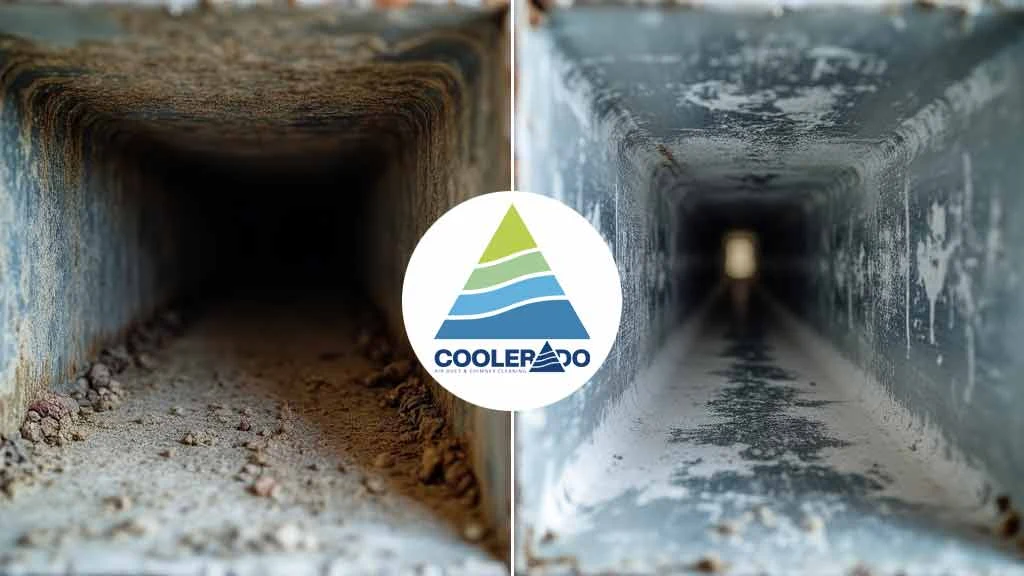
Compare the scopes side by side
| Question | Cleaning scope | Repair scope |
|---|---|---|
| What is being addressed? | Identified buildup or debris | An identified physical defect |
| What should be named? | Systems, branches, returns, and components included | Location, repair method, materials, and access |
| What may remain outside the quote? | Repairs, replacement, and equipment work | Cleaning elsewhere in the system |
| What evidence is useful? | Labeled observations and inspection limits | Photos or descriptions of the defect and proposed correction |
A quote that simply says “fix airflow” leaves too much unclear. Ask how the provider plans to assess the concern and what result the particular work is intended to address. Avoid accepting a broad outcome promise in place of a defined scope.
We offer different cleaning levels because every system starts in a different condition. The work should match what is actually there.
When both services are proposed
The sequence matters. If a section is disconnected or inaccessible, the repair and access plan may affect what can be cleaned. If a contractor finds damage during cleaning, ask for the additional scope and price before approving it. An unexpected finding should lead to a clear decision, not an assumption that every possible repair is already authorized.
For work connected to a remodel, read the ductwork planning guide. New walls, changed room use, and moved equipment can make the project larger than cleaning an existing layout.
Questions for an inspection
- What specific condition did you observe, and where is it located?
- Does the finding support cleaning, repair, further assessment, or a combination?
- Which parts of the system were not accessible?
- What does the proposed work include and exclude?
- If the original concern remains, what follow-up would be appropriate?
Ask for plain explanations of photographs. A close-up can be helpful, but you need to know which system and section it represents. Our camera inspection guide covers how to interpret that evidence without assuming it represents the entire building.
A comparison example
One estimate offers cleaning for a single furnace system. Another offers repair of a separated return connection plus cleaning of two systems. The higher total does not, by itself, establish that the second provider is expensive. The proposals contain different work. Ask for line items that allow you to compare the overlapping portion and evaluate the added scope separately.
The reverse is also true: a lower cleaning total is not a solution to a documented repair need. Before choosing, decide which problem you are trying to resolve and whether the proposed work actually includes it.
Information to share with Coolerado
- The rooms affected and when you first noticed the concern.
- Any accessible photos of damaged or disconnected ductwork.
- Recent renovations, equipment changes, or previous repairs.
- The number and location of systems, if known.
- Access restrictions, occupied hours, and the person approving work.
There is no need to enter an attic or crawl space just to complete the request. Tell the team which details are unknown. Coolerado can discuss the next step and provide a free estimate for the proposed work.
Fair pricing starts with a clear scope. You should know what is included and what the job will cost before you agree to the work.
Before you sign off
Use the estimate checklist to confirm the total, access responsibilities, cleanup, and approval process for changes. Save the scope and any findings. Those records help if another contractor later works on the same system or if you need to understand what was left for a separate visit.