
A camera image can show the condition of the section it reaches. Its value depends on knowing where the image was taken, what the camera could access, and what the provider can reasonably conclude. Ask for that context before treating a photograph as evidence about every duct in your home.
What makes an image useful
The most useful explanation identifies the system, room or branch, viewing direction where relevant, and the observed condition. “This is the return near the basement equipment” tells you more than “Your ducts look like this.” Ask whether the image shows the area before or after work and whether another angle is available when something is unclear.
A camera view is not a laboratory result. Appearance alone should not be used to identify a substance or promise a health outcome. EPA explains limitations around identifying suspected contamination in its duct-cleaning guidance.
Questions that establish the inspection boundary
| Question | Why it matters | Useful record |
|---|---|---|
| Which system was inspected? | A building may have more than one | Equipment or area identification |
| Which sections were reached? | Access differs between branches | Locations and access limits |
| What did you observe? | Description should precede a recommendation | Labeled photos or notes |
| What remains uncertain? | A limited view should not imply full coverage | Unchecked areas and proposed next step |
Ask whether the proposed visit includes a visual check, camera work, cleaning, or a separate report. Those terms are not interchangeable. If documentation matters for a landlord, property manager, or transaction, explain what is needed before booking.
We offer different cleaning levels because every system starts in a different condition. The work should match what is actually there.
Use findings to compare the next steps
Visible debris may lead to a cleaning discussion. A damaged connection may lead to a repair discussion. A view that cannot establish the cause may lead to further assessment. Our cleaning-versus-repair guide explains how those proposals differ.
Ask the provider to connect each recommendation to the observation. You should be able to understand why a particular cleaning level or repair scope was proposed without relying on a dramatic image alone. If the explanation and the quote describe different areas, ask for clarification.
Before-and-after comparisons
- Identify the section being shown before the work.
- Ask whether the later image represents the same section and a comparable view.
- Review what changed and what could not be reached.
- Keep the images with the written scope if they are supplied.
- Discuss any unresolved finding separately from completed work.
A clean-looking photograph of one accessible opening does not document every branch. Equally, a difficult camera angle does not prove the service was incomplete. The record should make the limits clear enough to support a practical conversation.
Prepare the information, not the equipment
- Share previous inspection records if you have them.
- Name the rooms or systems involved in the concern.
- Mention renovation work and any known access panels.
- Tell the team if equipment is in a locked or occupied area.
- Ask whether someone should be present to review the findings.
Do not remove sealed components or create access holes just to help the inspection. Access work belongs in the agreed scope. The access checklist can help you prepare ordinary room and equipment access without dismantling anything.
An example of a clear follow-up question
“The image shows debris near one return. Did you inspect the other return branches connected to this unit, and does the estimate cover them?” This question asks about coverage rather than challenging a photograph without context. It also helps identify whether the recommended work is local or system-wide.
For a commercial property, ask how locations will be labeled so the maintenance team can connect findings with building plans. Room numbers, equipment identifiers, and occupied areas may be more useful than an unlabeled collection of pictures.
Fair pricing starts with a clear scope. You should know what is included and what the job will cost before you agree to the work.
Request an appropriate scope
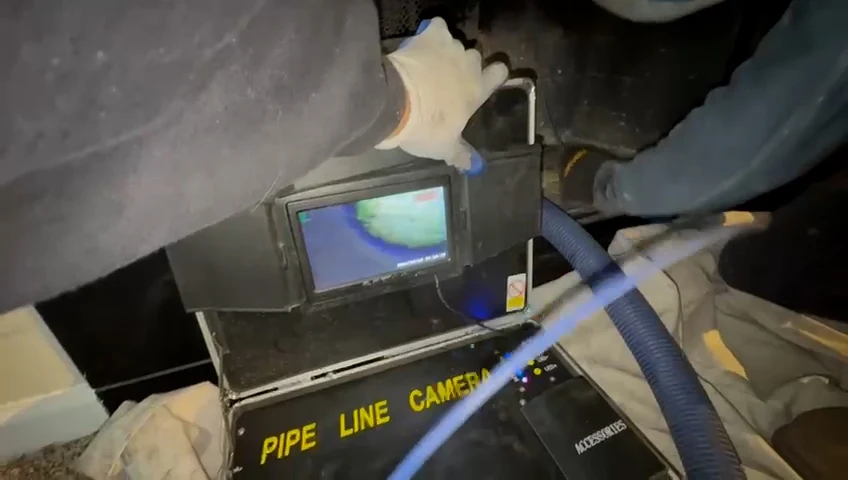
Coolerado’s supplied media includes inspection equipment and views inside ductwork. A gallery image is illustrative; it is not an assessment of your property. Discuss what evidence you need for your own air duct service request and ask how it will be provided.
Use the estimate checklist to confirm whether inspection, cleaning, documentation, and access work are included. The team will discuss a free estimate and confirm availability before arranging a visit.