
Choose a chimney visit by the question you need answered. Cleaning, inspection, cap work, masonry repair, and liner work are related services, but they are not interchangeable. Tell the provider what you have observed, how the fireplace or appliance is used, and whether you have an inspection report. That information helps establish the appropriate scope before a price is discussed.
Name the concern in ordinary language
You do not need to identify a component correctly to request help. “Water appears in the fireplace after rain” or “the purchase inspection mentioned damaged mortar” is more useful than guessing at a repair. Include any report wording and accessible photos. Describe uncertainty honestly, particularly if you have not used the fireplace or do not know its service history.
Coolerado's chimney service overview is the starting point for cleaning, inspection, and repair inquiries. The guides below help you prepare a more focused request.
Match the question to a service discussion
| Your question | Useful starting topic | What to clarify |
|---|---|---|
| Does it need cleaning? | Inspection and sweeping scope | Findings and included areas |
| Is the top damaged? | Cap or crown assessment | Which component and what condition |
| Why is water appearing? | Leak investigation | Evidence for the proposed source |
| What does the report mean? | Repair-scope review | Location, extent, and priorities |
| Can I use it again? | Inspection before use | Assessment scope and unresolved issues |
A contractor should explain the relationship between the concern and the proposed work. A cap replacement, for example, is not a substitute for assessing an unknown interior condition.
We offer different cleaning levels because every system starts in a different condition. The work should match what is actually there.
Understand cleaning and inspection
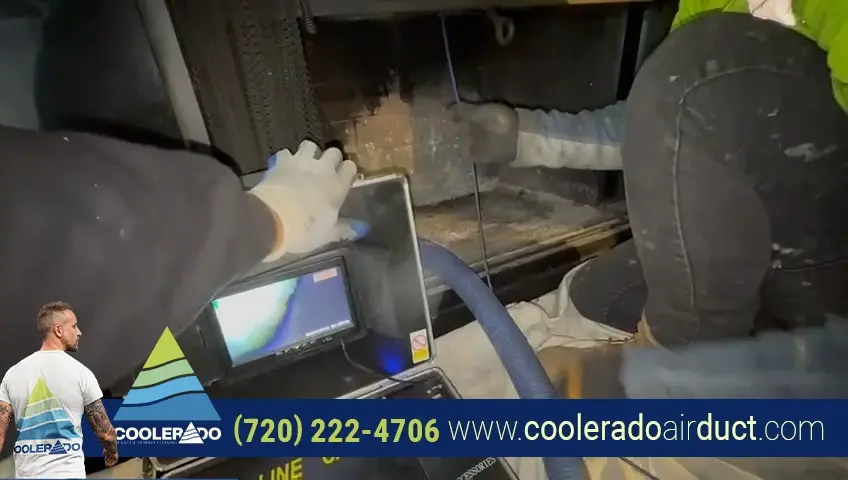
The Chimney Safety Institute of America describes annual inspection guidance and cleaning when needed. An inspection evaluates condition within its scope; sweeping removes deposits from the agreed areas. Ask how both will be addressed rather than assuming that one automatically includes every aspect of the other.
Read sweeping versus inspection for that distinction and cleaning scope for questions about the actual work.
Prepare the request in four steps
- Identify the property, fireplace or appliance, and known fuel type.
- Describe the concern, recent changes, and available service history.
- Share the relevant inspection report or accessible photos.
- Ask which assessment is appropriate and what it includes.
If you are buying a property, mention the transaction timeline and inspection findings. If the fireplace has been unused for years, say so. Those contexts matter more than choosing a service name from a menu without explanation.
Treat repairs as specific projects
Repair proposals should identify the component, its condition, the proposed method, and any access or finishing work. A general “chimney repair” label is too broad to compare meaningfully. Use the repair estimate guide to organize questions about alternatives and priorities.
- Ask what is confirmed and what remains uncertain.
- Separate completed work from recommended future work.
- Identify who approves changes after further access.
- Keep photos and reports tied to their actual locations.
- Ask whether another trade must coordinate part of the project.
Avoid using the fireplace as a test
When the concern involves condition or safety, obtain professional guidance before use. A normal-looking fire is not an inspection result. If there is an active fire, smoke emergency, gas odor, or carbon monoxide alarm, follow emergency procedures instead of submitting a routine appointment request.
Fair pricing starts with a clear scope. You should know what is included and what the job will cost before you agree to the work.
Choose a clear next step
Coolerado offers free estimates for proposed work. Select Chimney services in the appointment form and explain the issue rather than trying to diagnose it yourself. The team can discuss an appropriate visit, access needs, and a scope that addresses the actual property.