
A chimney-cleaning quote should describe the areas to be swept, the assessment included, and the limits of the visit. Cleaning visible surfaces in the fireplace is not the same as addressing the chimney's interior passage. Ask the provider to name the included areas and explain whether inspection, repairs, or other tasks are separate.
Understand the terms in the proposal
The firebox is the area where a fire burns in a conventional fireplace. The flue is the passage that carries combustion products out. The exact components depend on the fireplace or appliance and chimney system. A quote should use the terms appropriate to your installation rather than applying one generic package to every property.
CSIA's homeowner guidance distinguishes a complete sweep from cleaning only the firebox, identifying the flue and smoke chamber in its discussion of masonry fireplaces. Ask how that applies to your system and the scope being offered.
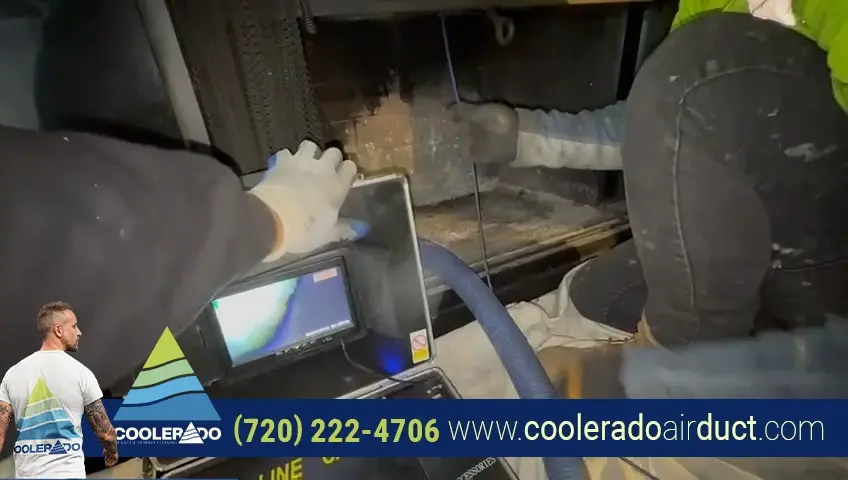
Read the scope line by line
| Item | Question for the provider | Record to keep |
|---|---|---|
| Included areas | Which parts will be cleaned? | Written scope |
| Assessment | What inspection is included? | Findings and limitations |
| Access | How will needed areas be reached? | Any inaccessible portions |
| Additional work | Are repairs or other tasks separate? | Approved changes and exclusions |
Do not assume the method of roof access alone proves whether the work is complete. Ask what was addressed and how that is documented. The important comparison is between the agreed areas and the completed work.
We offer different cleaning levels because every system starts in a different condition. The work should match what is actually there.
Cleaning does not replace a repair decision
A broken, deteriorated, or otherwise concerning component may need assessment beyond removal of deposits. If a repair is recommended, request the finding and proposed scope separately. The chimney repair estimate guide helps you compare that proposal without confusing it with the cleaning price.
Similarly, an odor or water complaint may have more than one contributing factor. Do not accept a universal promise that sweeping will resolve every symptom. Explain the concern before the visit so it can be addressed within an appropriate assessment.
Ask these questions before booking
- Which fireplace or appliance and chimney are included?
- What cleaning areas does the quote cover?
- What inspection or condition assessment is included?
- How are access limitations and unexpected findings handled?
- What information will be provided after the visit?
For more on the assessment portion, see chimney sweeping versus inspection. If a prior report prompted the request, share it before the appointment so the provider understands the original concern.
Prepare the fireplace area
Ask how the area should be left and what ordinary belongings need to be moved. Discuss pets, access routes, and fragile items near the work area. Do not use the fireplace immediately before the appointment without confirming the provider's preparation instructions. The service preparation guide covers coordination in more detail.
- Identify all fireplaces or appliances you want discussed.
- Mention changes in use or long periods without service.
- Keep previous reports available.
- Identify the person who can approve additional work.
- Ask which questions remain outside the cleaning visit.
Example: a quote that says only “fireplace cleaning”
That phrase may be unclear about the interior chimney passage, assessment, and exclusions. Requesting a written description is more useful than assuming the least or most extensive interpretation. An understandable scope lets both parties know what is being agreed.
Fair pricing starts with a clear scope. You should know what is included and what the job will cost before you agree to the work.
Request the right visit
Use Coolerado's chimney services to begin the conversation and select Chimney services in the appointment form. Describe your installation and concern, then ask for a free estimate for the proposed work. Keep the final scope and findings together for future maintenance decisions.