
Sweeping and inspection have different purposes. Sweeping removes deposits from the agreed areas; inspection evaluates condition within a defined scope. A visit may include both, but the booking description should say so. Understanding the distinction helps you request the right service and interpret the records afterward.
Ask what the appointment includes
“Chimney service” is too broad to tell you whether the visit includes cleaning, a particular inspection scope, or repairs. Explain your concern and ask the provider to describe the planned tasks. A routine maintenance inquiry, a home purchase, and a long-unused fireplace may need different assessment discussions.
CSIA's homeowner guidance discusses annual inspections and cleaning as needed. That distinction supports asking about condition rather than assuming every appointment is simply a sweep.
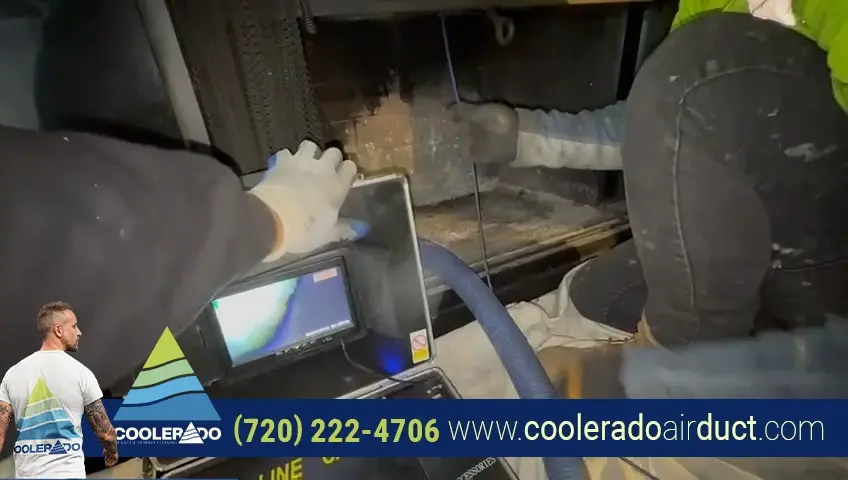
Compare purpose and documentation
| Topic | Sweeping | Inspection |
|---|---|---|
| Main purpose | Remove deposits in the agreed scope | Evaluate condition in the agreed scope |
| Scope question | Which areas are cleaned? | Which areas and components are examined? |
| Limitations | What could not be reached or completed? | What could not be assessed? |
| Useful record | Completed cleaning and findings | Observations, conclusions, and recommendations |
Neither column is a universal package. Ask how the provider's proposal applies to your installation. The cleaning scope guide and inspection questions guide expand the two sets of questions.
We offer different cleaning levels because every system starts in a different condition. The work should match what is actually there.
Understand when the tasks interact
A provider may explain that cleaning is needed to support further assessment, or an inspection may lead to a cleaning recommendation. Ask how that sequence affects the appointment and price. Do not assume that an added task is already authorized simply because it is related to the original request.
If a defect is identified, sweeping does not automatically correct it. Request a separate repair scope and guidance about the implications of the finding. The repair estimate guide helps you evaluate that next proposal.
Make a complete request
- Identify the fireplace or appliance and property address.
- Describe your reason for calling and known service history.
- Ask which assessment and cleaning tasks are proposed.
- Confirm access, exclusions, and any separate charges.
- Review the written findings and completed scope after the visit.
Mention a purchase deadline, planned change in appliance, or long period of disuse at the beginning. Those facts help establish the purpose of the visit instead of leaving the provider to discover them after a generic appointment has been booked.
Read the invoice and report together
An invoice may document payment and the service performed, while a report explains conditions and recommendations. Keep both when available. If the language is unclear, ask whether a listed item was completed, recommended, or outside the visit. Those distinctions matter when planning future work or sharing records with a new owner.
- Save labeled images and inspection limitations.
- Record which fireplace or appliance was covered.
- Keep additional recommendations separately identified.
- Ask about unresolved questions before use.
- Retain any relevant instructions supplied for the work.
Example: a clean firebox and an unknown flue
A homeowner sees a tidy fireplace opening and assumes no visit is needed. That appearance does not establish the condition of the entire system. Conversely, an inspection recommendation does not automatically mean every component needs replacement. The purpose is to obtain findings that support the next decision.
Fair pricing starts with a clear scope. You should know what is included and what the job will cost before you agree to the work.
Book a clear service scope
Coolerado can discuss chimney service options and a free estimate for proposed work. Select Chimney services and explain whether you are seeking maintenance, an inspection, or help understanding a report. The team will confirm arrangements directly.