View through ventilation ductThe circular interior frames two people at the far opening of the duct.
Start with how your home feels
Explain what you want to improve: equipment that has become unreliable, rooms that struggle to stay comfortable, or a system change as part of a remodel. Your existing setup and the way you use your home help define the installation conversation.
We offer different cleaning levels because every system starts in a different condition. The work should match what is actually there.
James, Owner of Coolerado Air Duct
Consider the full system
Equipment selection should be considered alongside the home and its air distribution. Existing ductwork, available installation space, controls, and other project requirements need attention. Bigger equipment is not automatically the right answer; discuss the basis for the proposed system and what information is needed to size it.
Compare a clearly defined scope
Ask for the equipment being proposed, the work included, and any related tasks requiring coordination. Discuss removal of old equipment, access, duct changes, and startup arrangements as applicable. Confirm manufacturer warranty terms and any service commitments directly rather than assuming all installations carry the same coverage.
Compare the whole installation
The equipment model is one part of an HVAC proposal. Access, retained components, duct changes, controls, and startup work can make two similarly priced quotes very different. Put the details side by side before deciding.
Swipe the table sideways to read all columns.
Questions for comparing HVAC installation proposals
Item
Ask for
Check for differences
Equipment
Model numbers and proposed capacity
Which components are new and which remain
Sizing
The basis for the equipment selection
Whether current home conditions were considered
Ductwork and controls
Included changes and compatibility checks
Items priced separately or excluded
Project work
Removal, access, required approvals, and cleanup responsibilities
Tasks assigned to other contractors or the homeowner
Handover
Startup information, operating guidance, and warranty documents
Parts coverage, labor coverage, and registration requirements
Tell us what the current system gets wrong
Before discussing models, describe your experience in the home. A room that is difficult to heat, a noisy return, and equipment that needs frequent repair are separate concerns. Listing them gives the proposal something specific to address.
Rooms that stay noticeably warmer or cooler than the rest of the home.
Equipment history, including recent repairs and known recurring problems.
Planned changes to windows, insulation, room layout, or finished space.
Access limitations around indoor and outdoor equipment.
Preferences about controls, operation, and the project schedule.
The parts of the existing system you expect to retain.
ENERGY STAR advises selecting capacity from the home’s actual characteristics and reviewing airflow, refrigerant charge where applicable, and duct condition. See its HVAC quality installation checklist. A larger unit is not automatically a better match.
Plan the installation in a clear order
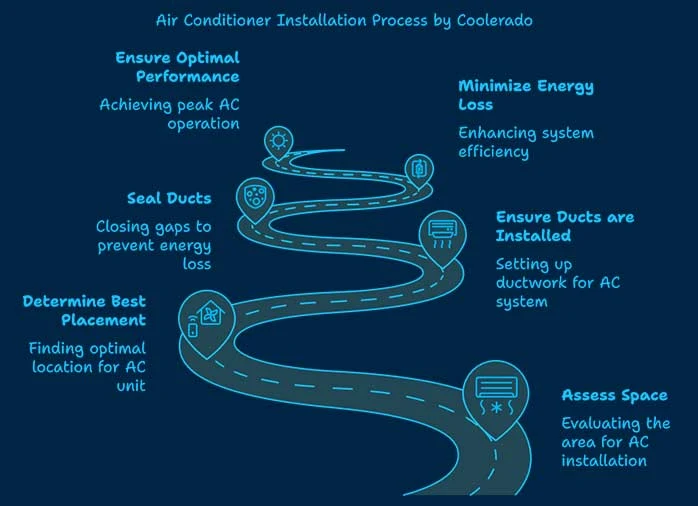
Describe the home and the goal. Include rooms, equipment history, and planned building changes.
Review the proposed system. Confirm the model numbers, selection basis, and retained components.
Resolve the related work. Identify duct, electrical, access, and other coordination needs.
Agree on the written scope. Review exclusions, payment arrangements, and how changes are approved.
Confirm scheduling. Ask what to expect while equipment is disconnected and what access is needed.
Keep the handover documents. Save operating instructions, model details, warranty information, and the final invoice.
Questions for the end of the job
Ask how to use the controls and where to find the filter information for the installed system. Confirm any owner tasks, registration deadlines, and the correct contact for a question after installation. Keep manufacturer terms separate from any installer commitments so you know whom to contact.
If the project includes new air distribution, read our duct installation guide. If replacement is still only one option, start with HVAC repair and discuss what is known about the existing equipment. Coolerado serves Denver, Aurora, Lakewood, and the surrounding core metro area; call to confirm availability for your address and request a free estimate.
Your questions, answered.
Can you discuss replacing an existing system?+
Yes. Share the current equipment details and the reasons you are considering replacement so we can discuss the project.
Can duct installation be part of the project?+
Coolerado Air Duct also offers duct installation. Mention known duct concerns early so equipment and air distribution can be considered together.
Fair pricing starts with a clear scope. You should know what is included and what the job will cost before you agree to the work.
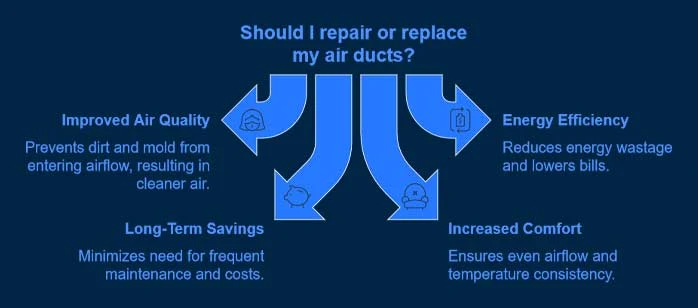
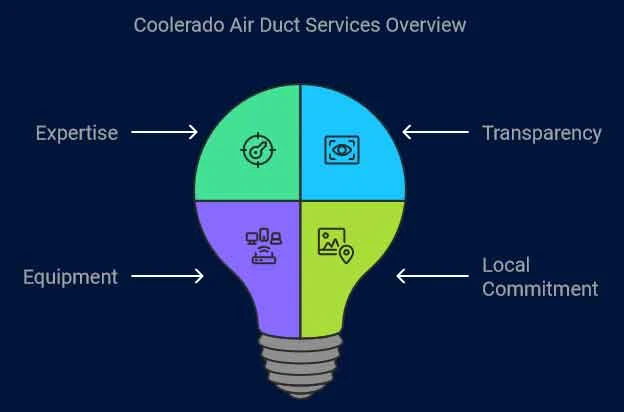
Air conditioner installation guideA winding-path graphic presents equipment operation, ductwork, maintenance, and energy-use considerations.Repair or replace ductworkA branching-arrow illustration lists air quality, energy use, long-term savings, and comfort as discussion topics.Coolerado service overview graphicA branded infographic uses a four-part bulb illustration to present service themes.