
Before returning a long-unused fireplace to service, arrange an appropriate inspection and review the available history. Low use does not establish current condition. A clean-looking opening cannot show everything about the interior passage, connected appliance, or surrounding installation.
Explain the period of disuse
Tell the provider how long the fireplace has been unused, whether that is known or estimated, and what records are available. Mention any roof work, remodeling, appliance changes, or water concerns during that period. If you recently moved in, distinguish your observations from information supplied by the previous owner.
CSIA's homeowner guidance notes that deterioration or obstructions can matter even when a chimney is used infrequently. Use that as a reason to assess condition, not as proof that a particular repair is required.
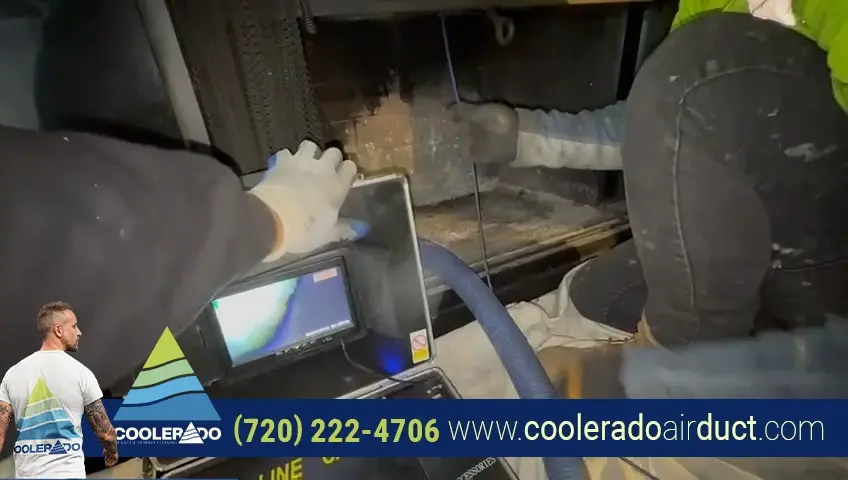
Gather information without operating it
| Information | Useful source | Question to resolve |
|---|---|---|
| Appliance or fireplace type | Records or accessible identification | What system is present? |
| Last service | Prior invoices or reports | What was previously assessed? |
| Changes | Remodel or repair records | Has the configuration changed? |
| Visible concerns | Accessible observations | What should the inspector know? |
Do not light a fire to see whether smoke exits normally. Operation is not a substitute for evaluating unresolved condition questions. Ask the professional for guidance on use based on the actual findings.
We offer different cleaning levels because every system starts in a different condition. The work should match what is actually there.
Define the inspection scope
Ask which assessment is appropriate and what areas it includes. Confirm whether sweeping is part of the appointment or a separate task. The inspection questions guide helps you review scope and limitations, while sweeping versus inspection explains the difference in purpose.
A provider may need more information about the installation before giving a final proposal. Ask what the initial visit will establish and what could require a further decision.
Follow a deliberate return-to-use process
- Collect available history and describe the disuse period.
- Arrange an appropriate professional assessment.
- Review findings, limitations, and any recommended work.
- Obtain a clear scope for cleaning or repairs if needed.
- Keep completion records and applicable operating guidance.
- Resolve remaining questions before using the system.
This sequence does not guarantee that every fireplace can be returned to use through cleaning alone. The findings determine the appropriate next steps.
Ask about changes in intended use
If you plan a different appliance, fuel, or configuration, explain that at the beginning. A discussion about resuming the previous use may not cover a conversion or new installation. The liner-work guide provides questions when a proposal involves the interior venting system, but component selection requires a property-specific assessment.
- Identify all fireplaces or appliances you want discussed.
- Share prior water or smoke concerns.
- Mention blocked access or finished areas.
- Ask for written findings and clearly stated limitations.
- Keep repair recommendations separate from completed work.
Example: a decorative fireplace in a recent purchase
A new owner wants to begin using a fireplace that the seller treated as decorative. The useful starting point is the installation history and an inspection, not assuming that the appearance of the room establishes operating condition. See chimney questions before buying a home for organizing available records.
Fair pricing starts with a clear scope. You should know what is included and what the job will cost before you agree to the work.
Start with an inspection inquiry
Coolerado can discuss chimney services and a free estimate for proposed work. Select Chimney services in the form and describe the long period without use. The team can discuss the appropriate visit and confirm arrangements before an appointment is set.