
Plan a dryer vent installation around the appliance, the building, and the proposed route. Choosing an exterior outlet is only one part of the project. Access, concealed spaces, required materials, and finish repairs should be understood before walls are closed or the appliance is moved into place.
Gather the appliance information
Provide the dryer model and installation instructions when available. Explain whether this is a new appliance, a replacement in the same location, or a relocated laundry area. Do not assume that an existing vent arrangement is suitable simply because the previous dryer used it. Ask the installer to assess the proposed arrangement for the actual equipment and applicable requirements.
For a broader room project, use the laundry remodel planning guide. It helps coordinate vent decisions with cabinets, finishes, and other trades before those choices restrict access.
Define the project boundaries
| Project element | Decision to clarify | Possible coordination |
|---|---|---|
| Appliance location | Final position and access | Cabinets, doors, and service space |
| Vent route | Proposed path and outlet | Walls, floors, and exterior surfaces |
| Materials | Suitability for the installation | Manufacturer instructions and local requirements |
| Restoration | Who closes and finishes openings? | Drywall, paint, roofing, or siding work |
Avoid treating the shortest visible path as an approved design. The installer should account for the full configuration and explain any limits that affect the proposal. This guide intentionally does not prescribe one universal maximum length or material for every situation.
We offer different cleaning levels because every system starts in a different condition. The work should match what is actually there.
Confirm approvals before construction
Ask who will determine whether permits, building approval, or an association's consent are required. Record that responsibility in the project plan. In a rental or condominium, obtain the relevant owner's or manager's direction before arranging alterations to common or exterior areas. The multiunit dryer vent guide covers those coordination questions.
Sequence the work
- Confirm the appliance and intended laundry layout.
- Assess the existing route, if any, and the proposed new path.
- Review materials, access, approvals, and finishing responsibilities.
- Coordinate installation with other construction work.
- Confirm how the completed arrangement will be checked and documented.
- Keep the installation information with the appliance records.
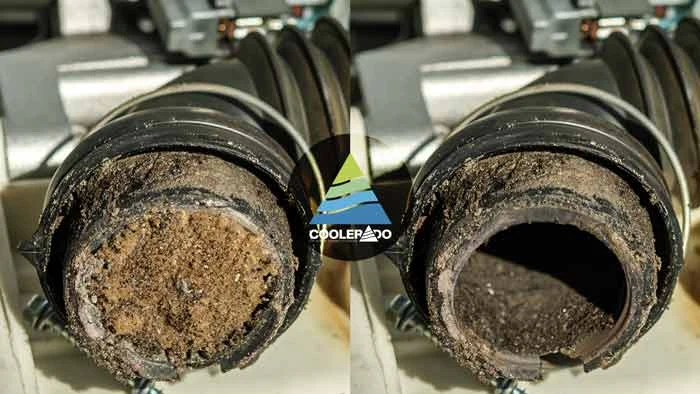
If the old route may remain usable, compare cleaning and replacement before assuming a complete new installation is needed. The condition and suitability of the existing system should inform that decision.
Make the estimate readable
Ask the proposal to identify which sections will be new and which will remain. Include the exterior termination work, appliance access, removal of old material where applicable, and any exclusions. If the route cannot be fully confirmed until a surface is opened, ask how that uncertainty affects pricing and authorization.
- Identify the person who approves changes.
- Confirm the work areas and expected access needs.
- Ask how concealed findings will be explained.
- Distinguish vent work from appliance, electrical, or gas work.
- Clarify who handles building finishes after installation.
Example: moving laundry upstairs
Relocating a laundry area changes more than the dryer position. The vent may need a different path, while cabinets or a stacked layout can affect future access. Reviewing the vent before finalizing those finishes helps avoid a design that is difficult to service. This is a planning example, not a determination that a particular relocation is feasible.
Fair pricing starts with a clear scope. You should know what is included and what the job will cost before you agree to the work.
Start with property-specific information
Request a free estimate through Coolerado dryer vent services or the appointment form. Provide the full address, property type, current and proposed dryer locations, and the project stage. The team can discuss what needs assessment before a scope and schedule are confirmed.