
When laundry suddenly needs a second cycle, record the change before assuming the dryer or the vent is the only cause. The load, selected program, appliance condition, and exhaust path can all belong in the service discussion. A clear symptom history helps the right provider investigate without selling you an unrelated service first.
Describe what changed
Note whether every load is affected or only bulky items. Record the cycle selected, approximate drying time, and whether the change followed an appliance move, replacement, or laundry-room project. You do not need to run repeated test loads to gather information. Use what you have already observed and follow the appliance manufacturer's operating instructions.
If there is smoke, a burning smell, or another immediate danger, stop using the appliance and address the emergency rather than continuing a routine booking process. For ordinary service planning, the dryer vent cleaning page explains the initial inquiry.
Keep observations separate from a diagnosis
| Observation | Useful detail | Question for the provider |
|---|---|---|
| Longer cycles | When it started and which loads | Should the exhaust path be assessed? |
| Change after moving dryer | Date and work performed | Could the connection need inspection? |
| Recurring issue after cleaning | Prior scope and records | Is another defect or appliance issue involved? |
| Unknown exterior outlet | Property layout | How will the full route be identified? |
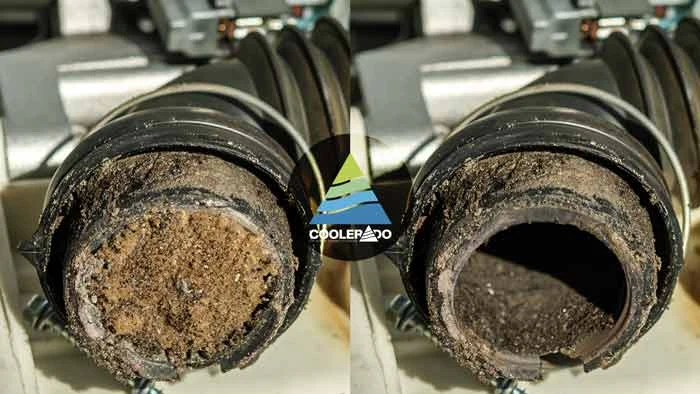
A symptom does not establish a clogged vent, failed heating component, or installation defect by itself. Ask what the assessment covers and which findings would lead to an appliance repair referral or a different scope.
We offer different cleaning levels because every system starts in a different condition. The work should match what is actually there.
Prepare a focused service request
- Provide the full address, property type, and dryer location.
- Describe the change in drying performance in a sentence or two.
- Mention recent installation, moving, or remodeling work.
- Share previous vent-service records if you have them.
- Identify known roof, exterior-wall, or shared-building access restrictions.
For exterior access questions, compare roof and wall vent arrangements. In a condo, the manager may need to explain building access or responsibility before a visit is arranged.
What a cleaning quote should clarify
Ask whether the proposal addresses the agreed vent route and how inaccessible portions will be handled. Confirm whether connection repair or replacement is included. Cleaning removes material; it does not automatically correct a damaged route or an appliance fault. The cleaning versus replacement guide explains that distinction.
- Record the route or sections included.
- Ask how findings will be communicated.
- Keep added repairs subject to a separate explanation and approval.
- Ask what remaining concerns would require another type of service.
Avoid a guaranteed-cycle promise
A provider cannot responsibly promise a particular drying time from the symptom alone. Ask how the proposed work will be evaluated and what to do if the original complaint remains. A documented vent condition is useful even when the appliance also needs attention. Keep both sets of records so the next person does not repeat the same assumptions.
The U.S. Fire Administration's appliance safety resources explain why dryer maintenance deserves attention. They do not diagnose your appliance remotely.
Fair pricing starts with a clear scope. You should know what is included and what the job will cost before you agree to the work.
Arrange the next step
Coolerado can discuss dryer vent service and a free estimate based on the property and findings. Use the appointment form to describe the long-cycle concern, and review the visit preparation checklist before the confirmed appointment. Clear access and a concise history help make the visit more productive.